If you’ve ever sat through a surgery, even from the waiting room, you might’ve glanced into the operating room (OR) and noticed a bunch of people in scrubs moving quietly, passing tools, adjusting drapes, and doing stuff that doesn’t get as much fanfare as the surgeon. That’s the surgical tech, also called an ST—way more than just the person who hands the surgeon a scalpel when they ask for it. As someone who works with ORs every day as a supplier, I’ve seen first-hand how integral these folks are to keeping a surgery safe, smooth, and on time, and I want to break down what they actually do behind the scenes. Operating Room
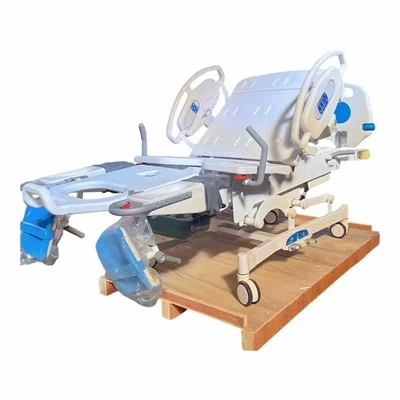
First off, let’s clear up the biggest misconception: surgical techs aren’t just “tool handlers.” They’re specialized, trained professionals who handle the entire sterile field before, during, and after a procedure. Before the surgery even starts, they’re the ones prepping the OR itself. That means wiping down every surface with the right disinfectant, making sure the operating table is set up with padding for the patient’s comfort (and to prevent pressure injuries, which is a huge deal), and lining up all the supplies for the specific surgery. Wait, not just any supplies—they’ve got to know exactly what’s needed for, say, a knee replacement vs. an appendectomy. They count every single instrument, every sponge, every suture before the patient even comes in. I can’t tell you how many times I’ve heard an OR manager say that a ST’s pre-surgery count is the first line of defense against leaving something inside a patient. That’s not a small job; that’s life-saving.
During the procedure, their role shifts to being the hub of the sterile team. Once the patient is prepped and draped, the ST stays strictly within the sterile zone (the area where the surgical tools and the patient’s open incision are) while circulating nurses handle things outside that zone. If the surgeon says “scalpel #10,” they don’t just grab a random scalpel—they know which size is right for the cut the surgeon needs. They also pass instruments without waiting for a fumble, adjust lights that are in the way, and even keep track of small, tricky things like needle counts mid-surgery. I’ve watched STs stay calm through 4-hour heart surgeries, never missing a count, never grabbing the wrong tool, even when the room is buzzing with monitors and other staff. It’s like they have eyes in the back of their scrubs.
And here’s something most people don’t talk about: surgical techs are a big part of patient safety. They don’t just handle tools—they spot issues before they become problems. For example, if a sterile package looks torn or expired, the ST will catch it before anyone uses it. If a surgeon reaches for a suture and it’s not the right type for the tissue they’re working on, the ST can speak up gently. They also help with keeping the OR tidy; a cluttered field can lead to accidents, so they’re always rearranging trays, putting used tools in the right bins, and making sure nothing gets knocked into the sterile zone. At the end of the surgery, they do a final count of every instrument, sponge, and suture again—double-checking before the incision is closed, right alongside the surgeon. That count is non-negotiable, and it’s something STs take super seriously because one mistake there could harm the patient for life.
As an OR supplier, I interact with surgical techs every single week. They’re the ones who tell us what works and what doesn’t. They know if a certain scalpel handle slips too much, if a tray of instruments is too hard to navigate during a fast surgery, or if a type of sponge disappears too easily. A lot of suppliers miss that input, but STs are on the ground every day, so their feedback is gold. That’s why we make sure our supplies are designed with their needs in mind—because if the techs who run the OR don’t like what we provide, it makes their job way harder, which can slow down a surgery or even cause a mistake.
Wait, let’s also touch on the training part, because that’s why they’re so good at what they do. Surgical techs usually go through a 9-24 month program, either at a technical school or community college, and they have to pass a certification exam in most states. They learn anatomy, sterile technique, surgical procedures, and even how to handle emergency situations in the OR. Some STs specialize in certain areas—like orthopedics, neurosurgery, or general surgery—so they know the specific tools and steps for that type of procedure. It’s not a role you can just walk into; it takes focus and attention to detail.
Another thing: during emergency surgeries, like a trauma case from a car accident, the ST steps up even more. Things move fast, supplies get grabbed quickly, and the count still has to be right. I’ve seen STs in emergency ORs passing tools in 10-second intervals, never missing a count, even when the patient is critical. They’re the calm in the chaos, which is huge when lives are on the line.
Now, I know some people might compare surgical techs to other OR roles—like circulating nurses or surgical assistants—but they’re different. Circulating nurses handle the rest of the OR: checking the patient’s vitals, managing supplies outside the sterile field, communicating with the pharmacy or lab. Surgical assistants help the surgeon with the actual operation, like holding tissue. The ST is the bridge between all of them, keeping the sterile field organized and the tools ready. Without them, the OR would be a mess—tools would be missing, counts would be off, surgeries would take longer, and safety would be at risk.
Let me give you a quick example I saw last month. A ST I work with, Maria, was helping with a knee replacement. Halfway through, the surgeon needed a specific retractor that wasn’t on the initial tray. Maria didn’t panic—she went to the non-sterile side, grabbed the right one, and passed it without breaking sterile technique, all while keeping the count of used sponges correct. If she’d messed up the sterile field, that could’ve led to an infection. If she’d forgotten the count, that could’ve been a problem later. That’s the kind of thing STs do every day, and most of it goes unnoticed by patients.
As a supplier, our job is to support everyone in the OR, but especially the STs—since they’re the ones using our tools directly. If you’re a hospital manager or OR director, you know how important it is to have techs who are trained, experienced, and have the right supplies to do their job. If you’re someone who works in ORs or is looking to start in this field, the ST role is super rewarding—you’re directly saving lives, even if you’re not the one holding the scalpel.

At the end of the day, the surgical tech is the unsung hero of the OR. They don’t get the media attention that surgeons do, but they’re the ones who make sure every surgery runs safely, smoothly, and efficiently. They’re the ones counting the tools, passing the right instrument at the right time, and keeping chaos at bay. If you’re in charge of OR supply needs and want to make sure your team—including those hardworking surgical techs—has the best tools to do their job, get in touch with us to talk through your needs. We’re here to support your OR team, just like you support patients every day.
Operating Table References
Association of Surgical Technologists. (2023). Role of the Surgical Technologist. Retrieved from professional standards guidelines
American College of Surgeons. (2022). Operating Room Safety and Team Coordination. Retrieved from patient care practice resources
Occupational Safety and Health Administration. (2021). Sterile Technique in Healthcare Settings. Retrieved from workplace safety guidelines
Eusokon Technology ( Shanghai ) Co., Ltd.
As one of the most professional operating room equipment manufacturers and suppliers in China, we offer a wide range of products with superior quality. Please feel free to wholesale advanced operating room equipment in stock here from our factory.
Address: No.2 building lane 89,Huguang east road Minhang area Shanghai China
E-mail: dorisyang@eusokon.com
WebSite: https://www.eusokon.com/
