As an animal ride supplier, I get dozens of questions every week—some basic, some super specific, and a lot that boil down to one big thing: when a kid is leaning in, grinning, hand out to pet a pony or camel, can I snap that photo? It’s a simple ask, but the answer isn’t just “yes” or “no”; it’s a balance of guest joy, animal welfare, and safety that I’ve spent years refining for every ride we operate. Let me break this down the way I talk to parents, event planners, and even the kids who hold a camera to their mom’s face. Animal Ride

First, I need to start with what we prioritize above all: the animals. Every animal we use for rides—ponies, miniature goats, alpacas, even the occasional draft horse for larger events—has their own comfort zone. For example, our lead pony, Clover, who’s been with us for seven years, hates sudden flashes. Last year, a mom brought a professional camera with a built-in flash and tried to hold it right under Clover’s nose mid-ride; the pony spooked, swerved, and knocked a small girl’s hat off. It was a 10-second moment, but it took us three days of extra treats and quiet walks to get Clover back to her usual calm. That’s why our first rule, across every ride we set up, is: no flash photography, no holding cameras or phones within 12 inches of the animal’s face during the ride. Flash can damage an animal’s sensitive night vision (even if it’s midday, the sudden brightness startles them), and getting too close can make them feel trapped. Animals that feel threatened—even in a fun, outdoor setting—act out, which puts guests and the animal at risk. That’s the non-negotiable line.
But what about casual photos? The ones parents take with their phones, where they hold it at arm’s length, no flash, capturing their kid laughing while trotting on a pony? Those are fine—most of the time. Wait, no, let me clarify: it’s not just “most of the time” it’s “when done respectfully for the animal and the other guests on the ride.” For example, if you’re at a small, private pony ride for 10 kids, and you want to snap a shot from the side of the path while your kid rides, that’s totally okay. If you’re a large event, like a county fair with 50 kids riding at once, it gets trickier. Our ride paths are only 4 feet wide; too many people standing on the sides with phones can block the animal’s escape route if they feel stressed, or trip over other kids waiting for their turn. For large events, we designate a small, quiet photo zone 20 feet from the ride path where parents can take photos after their kid is off the pony. It’s a trade-off: we want you to capture the memory, but we also want the ride to stay smooth for every kid waiting.
I’ve also had people ask about action shots—like a parent running alongside their kid on a pony, trying to take a video. Again, context is key. If the pony is a gentle, well-trained one (which all of ours are), and the parent is staying on the designated path, not crowding the pony’s side, that’s okay. I’d rather have a parent capture their kid’s first pony ride than say no to a video, as long as it doesn’t disrupt the animal. But here’s the hard part: some animals just don’t like having people (even kids’ parents) right next to their sides during a ride. We have a rescue donkey named Bert, for example, who was neglected in his first few years, so he hates extra movement near his body. If a parent runs alongside Bert to take a video, he’ll tense up and slow down, which frustrates the kid riding him and makes the other riders wait longer. So for Bert, and a handful of other sensitive animals, we ask that photos and videos be taken only from the head of the path, or after the ride ends. It’s not personal to the parent—it’s just how that animal feels safe.
Then there’s the question of professional photographers. A lot of our clients, like birthday party planners or fair organizers, want to hire a pro to capture the event. That’s a win-win, but we have rules for them too. We require photographers to stay off the ride path, not get between the animal and their handler, and use natural light only—no flashes, no loud camera shutters that can startle the animals. Last summer, a fair organizer hired a pro who tried to climb onto a hay bale right next to a camel’s head to get a “unique” shot. The camel bared its teeth (a warning sign, not aggression) and the photographer had to step back fast. We now have a printed rule sheet for all contracted photographers, and we brief them before the event starts. It’s not about being difficult; it’s about keeping everyone safe.
I also get a lot of questions about social media posts. Guests love tagging us in their photos, and we repost them all the time—we even have a hashtag for our events, #PonyRideJoy, that we use on Instagram and Facebook. But we do ask that if you’re posting a photo that includes an animal mid-ride, make sure the handler is visible in the shot, and that the animal looks calm (no flattened ears, no wide eyes). We once reposted a photo from a user where a pony looked tense, and we later found out the parent had been leaning in too close during the ride. We deleted the post and reached out to the parent to talk about what they’d done, and since then, we’ve added a line to our ride consent form: “By booking this animal ride, you agree to follow our photography guidelines to ensure animal safety.”
Let me talk about why this matters, beyond just avoiding spooked animals. The animals we use for rides are not toys—they’re living beings that deserve respect. A few years back, I worked with a client who let their kid climb on a pony’s back without a handler, just to take a photo. The pony reared, the kid fell, and we had to take the pony to the vet for a strained muscle. That incident taught me that even well-meaning guests don’t always realize how fragile these animals are, and how easy it is to cross a line with a photo. So we’re not just making rules to protect the animals—we’re educating guests, especially kids, on how to interact with the animals respectfully. That’s part of our job as an animal ride supplier, not just setting up a ride and collecting money.
Now, what about if you want to take a photo of an animal up close, during their break time? Most of our animals get 10-minute breaks every 30 minutes of riding, and we allow photos during those breaks, as long as you don’t block their water bucket or pet them too hard. In fact, we encourage photos during breaks because it lets guests connect with the animals in a calm setting, not just during a ride. We even had a kid last year who wanted to bring a drawing to give to a pony, and we set up a break time where he could show it to her, no cameras needed—just a quiet, respectful interaction. That’s the stuff that makes our job worth it.
I know this all sounds like a lot of rules, but it’s rooted in real experience. We’ve had too many close calls, too many upset animals, and too many hurt guests to wing it when it comes to photography. At the end of the day, the best photos are the ones where the kid is laughing, the animal is calm, and no one is stressed. That’s why we always tell guests: if you’re taking a photo, ask yourself, “Am I bothering the animal?” If the answer is even a little yes, step back. Take the photo after the ride ends, or wait for a break. It’s just a few extra seconds, but it makes all the difference.
If you’re planning an event—whether it’s a birthday party, a fair, a school function—and you want to add an animal ride, we can work with you to tailor our photography guidelines to your space. We’re not one-size-fits-all; for a small backyard party, we can adjust the rules to let parents take casual photos during the ride. For a large public event, we can add a dedicated photo zone and even bring a partner photographer if you want. We prioritize guest joy and animal safety, and that starts with being clear about what works for everyone.
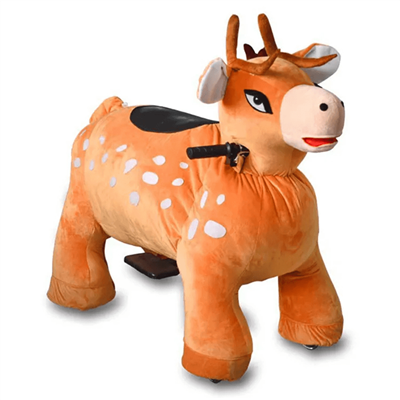
If you’re interested in learning more about our animal ride options and how we can work with you for your next event, feel free to reach out to our team to discuss details, custom arrangements, and any questions you have about guest interactions, including photography. We’re happy to walk through our guidelines, show you our animal care protocols, and make sure your event is fun, safe, and memorable for everyone involved.
Two Seater Go Kart References
- American Veterinary Medical Association. (2022). Guidelines for Animal Welfare in Public Entertainment Events.
- Equine Welfare Alliance. (2021). Best Practices for Pony Rides and Guest Interactions.
- National Camel Owners Association. (2023). Stress Signals in Working Camels and How to Reduce Human-Related Tension.
- Animal Behavior Society. (2020). Effects of Flash Photography on Domestic Animal Vision and Stress Responses.
Guangzhou Minye Import and Export Co., Ltd.
As one of the leading animal ride manufacturers and suppliers in China, we warmly welcome you to wholesale bulk high-grade animal ride for sale here from our factory. All customized products are with high quality and competitive price. We also accept OEM&ODM orders.
Address: #168 Qiaoxing Rd, Shiqiao, Panyu District, Guangzhou
E-mail: sales@minyefun.com
WebSite: https://www.minyeamusement.com/
