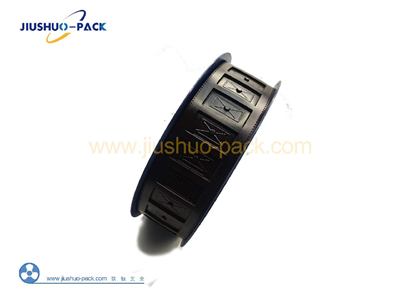
Hey there! I’m a supplier of flat carrier tapes, and I’ve seen firsthand how important it is to store these tapes properly. Flat carrier tapes are used in a variety of industries, from electronics to automotive, and they play a crucial role in the manufacturing process. If they’re not stored correctly, they can get damaged, which can lead to production delays and increased costs. So, in this blog post, I’m going to share some tips on how to store flat carrier tapes properly. Flat Carrier Tapes
Why Proper Storage Matters
First off, let’s talk about why proper storage is so important. Flat carrier tapes are made of delicate materials that can be easily damaged by environmental factors like humidity, temperature, and dust. If these tapes are exposed to high humidity, they can absorb moisture, which can cause them to warp or become sticky. High temperatures can also cause the tapes to melt or deform, making them unusable. And dust can scratch the surface of the tapes, which can affect their performance.
Proper storage helps to protect the tapes from these environmental factors, ensuring that they remain in good condition until they’re ready to be used. This not only helps to prevent production delays but also saves money in the long run by reducing the need for replacement tapes.
Ideal Storage Conditions
The ideal storage conditions for flat carrier tapes are cool, dry, and clean. The temperature should be between 18°C and 22°C (64°F and 72°F), and the relative humidity should be between 40% and 60%. These conditions help to prevent the tapes from absorbing moisture and keep them in good condition.
It’s also important to store the tapes in a clean environment. Dust and dirt can scratch the surface of the tapes, so it’s a good idea to store them in a sealed container or a clean storage area. If possible, use a storage area that’s dedicated to flat carrier tapes to minimize the risk of contamination.
Storage Containers
When it comes to storing flat carrier tapes, the right storage container can make a big difference. There are several types of storage containers available, including plastic boxes, metal cabinets, and cardboard boxes. Each type of container has its own advantages and disadvantages, so it’s important to choose the one that’s best for your needs.
Plastic boxes are a popular choice for storing flat carrier tapes because they’re lightweight, durable, and easy to clean. They also come in a variety of sizes and shapes, so you can choose the one that’s best for your tapes. Metal cabinets are another option, especially if you need to store a large number of tapes. They’re more expensive than plastic boxes, but they’re also more secure and can protect the tapes from damage.
Cardboard boxes are a more affordable option, but they’re not as durable as plastic boxes or metal cabinets. They’re also more prone to damage from moisture and dust, so they’re not the best choice for long-term storage. However, if you’re only storing the tapes for a short period of time, a cardboard box can be a good option.
Handling and Transport
In addition to proper storage, it’s also important to handle and transport flat carrier tapes carefully. When handling the tapes, make sure to wear gloves to prevent fingerprints and other contaminants from getting on the tapes. Avoid touching the surface of the tapes with your bare hands, as this can cause damage.
When transporting the tapes, make sure to use a sturdy container that’s designed to protect the tapes from damage. If you’re shipping the tapes, use a shipping service that offers tracking and insurance to ensure that the tapes arrive safely.
Regular Inspections
Finally, it’s important to conduct regular inspections of your flat carrier tapes to ensure that they’re in good condition. Check the tapes for signs of damage, such as scratches, warping, or discoloration. If you notice any damage, remove the damaged tapes from the storage area and replace them with new ones.
Regular inspections also help to identify any potential issues with the storage environment. If you notice that the temperature or humidity in the storage area is outside of the recommended range, take steps to adjust the environment to ensure that the tapes remain in good condition.
Conclusion
Storing flat carrier tapes properly is essential for ensuring their performance and longevity. By following the tips outlined in this blog post, you can protect your tapes from environmental factors, prevent damage, and ensure that they’re ready to be used when you need them.
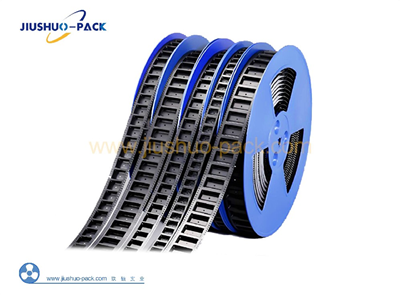
If you’re in the market for flat carrier tapes, I’d love to talk to you. I offer a wide range of high-quality flat carrier tapes that are designed to meet the needs of a variety of industries. Whether you’re looking for tapes for electronics, automotive, or any other application, I can help you find the right tapes for your needs.
Reel and Tape Packaging Machine So, if you’re interested in learning more about my flat carrier tapes or if you have any questions about storage or handling, please don’t hesitate to contact me. I’m always happy to help!
References
- "Best Practices for Storing Electronic Components." Electronics Manufacturing Services Association.
- "Storage and Handling of Tape and Reel Components." IPC.
Dongguan Jiushuo Industrial Co., Ltd.
As one of the most professional flat carrier tapes manufacturers and suppliers in China, we also support customized service. Please feel free to buy high quality flat carrier tapes made in China here from our factory. Contact us for more details.
Address: 11th Floor, Building 2, Chuangfu Center, Chashan Town, Dongguan City, Guangdong Province, China
E-mail: sales06@zaidaiw.com
WebSite: https://www.carriertape-pack.com/
