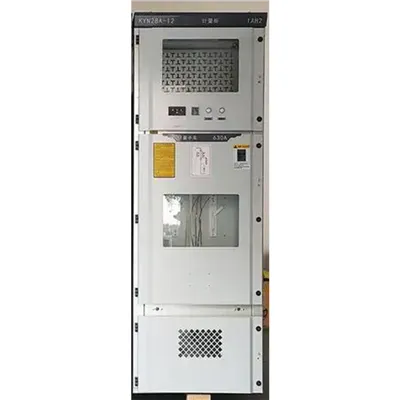
Hey there! As a supplier of power distribution equipment, I often get asked about the cost factors involved. It’s a complex topic, but I’m here to break it down for you in a way that’s easy to understand. So, let’s dive right in! Power Distribution Equipment
1. Raw Materials
The first and most obvious cost factor is the raw materials used to make power distribution equipment. Metals like copper and aluminum are commonly used for conductors because of their excellent electrical conductivity. Copper, in particular, is a high – quality option but can be pretty pricey. The price of copper fluctuates on the global market, influenced by supply and demand dynamics. For example, if there’s a shortage in copper mines, the price goes up, and that directly impacts the cost of our equipment.
Aluminum is a more affordable alternative. It costs less than copper, but it doesn’t have the same level of conductivity. However, with proper engineering, we can design equipment using aluminum conductors that still perform well.
In addition to metals, insulation materials are also crucial. High – quality insulation materials, such as certain types of plastics and rubber, are used to prevent electrical leakage and ensure safety. These materials need to meet strict industry standards, and the better the quality, the higher the cost.
2. Manufacturing Processes
The way we manufacture power distribution equipment also greatly affects the cost. There are different manufacturing techniques, and some are more labor – intensive than others.
For instance, custom – made equipment requires more time and effort. If a customer has specific requirements for the size, shape, or functionality of the equipment, we have to spend extra time on precise machining, assembling, and testing. This additional labor translates into higher costs.
Automated manufacturing processes can sometimes reduce costs. Machines can carry out repetitive tasks more efficiently and with greater precision than human workers. But setting up an automated production line is expensive. We need to invest in the right machinery, train our workers to operate it, and maintain it regularly. So, while it might save money in the long run, the initial investment can push up the cost of the equipment.
3. Design and Engineering
Good design and engineering are essential for reliable power distribution equipment. Designing a system that can handle the required electrical load, operate safely under different conditions, and comply with all relevant standards takes a lot of expertise.
We have a team of engineers who use advanced software to model and simulate the performance of our equipment. This helps us optimize the design before we start manufacturing. However, hiring experienced engineers and investing in the necessary software and tools is costly.
Moreover, if we want to develop innovative features in our equipment, such as smart monitoring systems that can detect faults in real – time, it requires even more research and development (R&D) spending. All these R&D costs are factored into the price of the final product.
4. Quality Control and Testing
Safety and reliability are our top priorities when it comes to power distribution equipment. That’s why we have strict quality control and testing procedures in place.
Each piece of equipment goes through a series of tests before it leaves our factory. These tests can include electrical performance tests, insulation resistance tests, and temperature rise tests. We also have to ensure that our equipment meets national and international standards, such as ISO and IEC standards.
To carry out these tests accurately, we need to invest in high – quality testing equipment and hire trained technicians. Any faulty equipment that fails the tests needs to be reworked or discarded, which adds to the overall cost.
5. Brand and Reputation
In the market, brand and reputation matter a lot. A well – known brand with a good reputation for producing high – quality power distribution equipment can charge a premium for its products.
Customers are often willing to pay more for products from a trusted brand because they believe they’ll get better performance, reliability, and after – sales service. Building a strong brand takes years of hard work, involving consistent quality, excellent customer service, and positive word – of – mouth.
We’ve spent a long time building our brand by providing top – notch products and services. And while we might not be the cheapest option on the market, our customers know they’re getting value for their money.
6. Market Conditions
The overall market conditions also play a role in determining the cost of power distribution equipment. When the demand for power distribution equipment is high, like during a period of rapid industrial expansion, prices tend to go up. Suppliers may not be able to keep up with the sudden increase in demand, and they might raise prices to balance supply and demand.
On the other hand, when the market is slow, suppliers may offer discounts or special deals to attract customers. Competition in the market also affects prices. If there are many suppliers offering similar products, the competition can drive prices down as each company tries to win customers.
7. Transportation and Logistics
Getting our power distribution equipment from the factory to the customer’s location incurs costs. The size and weight of the equipment matter a lot. Large and heavy equipment is more expensive to transport.
We have to consider different transportation modes, such as trucks, trains, or ships. Each mode has its own cost structure. For example, shipping by sea is generally cheaper for large – scale international shipments, but it takes longer. If the customer needs the equipment urgently, we may have to use air freight, which is much more expensive.
In addition, there are other logistics costs involved, such as packaging, storage, and customs duties for international shipments. All these costs are added to the price of the equipment.
8. After – Sales Service
Providing after – sales service is an important part of our business. We offer installation, maintenance, and repair services to our customers.
Training our service technicians to handle different types of equipment problems takes time and money. We also need to keep a stock of spare parts, which ties up capital. All these after – sales service costs are included in the price of the equipment.
Customers appreciate having reliable after – sales service because it gives them peace of mind. They know that if something goes wrong with the equipment, we’ll be there to help.
So, as you can see, there are many factors that go into determining the cost of power distribution equipment. It’s not just about the price tag; it’s about the value you’re getting. If you’re in the market for power distribution equipment, I encourage you to consider all these factors when making your purchasing decision.
Power Distribution Equipment If you’re interested in learning more about our products or have any questions about the cost factors, feel free to reach out to us. We’d love to have a chat with you and discuss how we can meet your power distribution needs.
References
- Electrical Equipment Manufacturing Handbook
- Industry reports on Power Distribution Equipment
- Papers on materials science related to electrical conductors and insulators
Si County Haneng Chengxin Electrical Engineering Co., Ltd.
As one of the most professional power distribution equipment manufacturers and suppliers in China, we also support customized service. Welcome to buy advanced power distribution equipment made in China here from our factory. If you have any enquiry about pricelist, please feel free to email us.
Address: Hanergy Green Building Science Park, Economic Development Zone, Sixian County, Anhui Province
E-mail: 19166759898@163.com
WebSite: https://www.hannenglvjian.com/
