Hey everyone, let’s cut to the chase – if you’ve ever bought a piece of clothing and stared at the tag inside for a full minute, squinting at tiny text that’s half rubbed off, you know the pain. I’m from a multi-layer labels supplier, and these days I get way too many DMs asking: “Wait, can those fancy multi-layer labels even work for clothes?” Spoiler alert: not only can they work – they’re low-key the future of clothing branding, and I’m gonna break down why, no jargon, no sales fluff, just real talk from someone who’s been deep in the label game for years. Multi-layer Labels
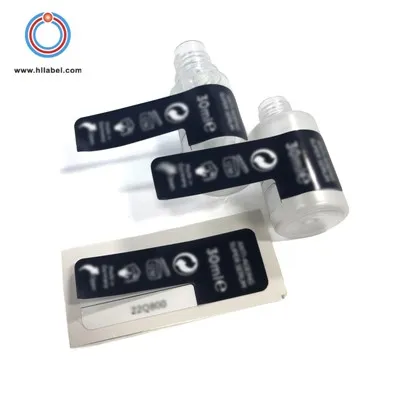
First, let’s get the basics out of the way so we’re all on the same page. A standard clothing label is usually one layer: it has your size, care instructions, brand name, maybe a tiny QR code, and that’s it. It’s printed on thin polyester or cotton, stitched onto the neck, and if you’ve ever thrown a hoodie in the dryer on high heat, you’ve probably watched that little layer curl, fade, or peel off entirely. Multi-layer labels? They’re exactly what they sound like – 2, 3, even 5 layers laminated or bonded together, each doing its own job without cramming everything into one tiny square. Let’s be real, most clothing brands (from indie streetwear up to big fast fashion lines) are tired of that overcrowded single layer.
Wait, but hold up – why would clothes need multiple layers of labels? Is that just extra plastic to add? Let’s talk about what actually matters to brands and to you, the customer, because that’s where the value lives. For starters, functionality is non-negotiable for clothing, right? You don’t buy a shirt to have it fall apart after two washes, so care labels have to hold up. A single layer label can only have so much detail before the text gets so small you can’t read it. But split that info across layers, and suddenly you have space to add way more useful stuff. Like, one layer could be the soft, scratch-free side that touches your skin – no more that annoying “itch tag” that makes you take a hoodie off 10 minutes after putting it on. That’s the layer that has your brand name, woven so it’s flat, not stitched, so it never rubs. Then the next layer is the technical stuff: full care instructions (water temp, bleach allowed? No bleach. Dryer on low only, for the love of cotton), size, fabric composition (100% organic cotton, 80/20 poly blend, whatever), and maybe even a tiny care code like “W30” so when you scan a QR code, it pulls up a full video of how to wash it without shrinking. No tiny, hard-to-read text anymore. And if you need even more? A third layer can be for brand extras – like a limited edition number for a streetwear drop, or a QR code that links to your sustainability page, or even a little logo that glows under blacklight for a fun accessory. This isn’t just cramming stuff in; it’s making every inch of label space work for both the brand and the customer.
Let’s talk durability, because that’s the big one single-layer labels fail at. I’ve seen way too many brands switch to multi-layer labels after getting thousands of returns because their care labels peeled. Single-layer labels are held on with basic adhesive or a few loose stitches, so the whole thing will lift if you snag it on a doorknob or scrub it hard enough in the wash. Multi-layer labels are laminated together with heat-activated adhesive that’s way stronger, so each layer bonds permanently. Stitch them once around the edges, and that label will last the life of the garment – no peeling, no fading, no text disappearing mid-wash. We tested this a while back with a client that makes activewear: they sent us their standard single-layer labels, we ran them through 50 wash cycles (high heat, tough detergent, the works), and almost all of them had the care text completely gone. Then we tested the multi-layer labels we made for them – same cycles, same conditions – and every single layer was still crisp, still legible, no peeling at all. That’s the kind of data that doesn’t lie, right? Clothing is supposed to be worn, washed, messed up, so labels need to keep up.
But wait, I know what you’re thinking: “Is this just for big brands? What about small indie clothing makers who don’t have that kind of budget?” Let’s clear that up. When I started in this business 8 years ago, multi-layer labels were seen as a premium, expensive add-on only for luxury brands. But that’s changed a ton – new manufacturing tech has cut the cost a lot, and it’s now totally accessible for small runs, even for indie creators making their own line of tees, hats, or custom jackets. Sure, if you’re making 100 pieces vs. 10,000, the per-label cost is a little higher than a basic single layer, but the benefits way outweigh the small price difference. For example, an indie maker doing a small drop of 500 organic tees can use a multi-layer label: the soft, skin-friendly top layer with their brand logo, a middle layer with OEKO-TEX or GOTS sustainability certification (huge for eco-conscious buyers), and a bottom layer with size and care. That’s way more useful than a single tiny tag, and it doesn’t cost them enough to eat into their profit. We’ve worked with a bunch of small designers over the past couple years, and almost all of them switch back to multi-layer labels after their first run because their customers actually comment on how much easier it is to read the tag, and their returns for bad labels dropped by like 30%.
Now, let’s get real about the other side: what customers care about. We can gush about durability all day, but if it’s scratchy or annoying to wear, no one wants it. That’s why the best part of multi-layer labels is the customization you can do for the wearer. Like, if you make a women’s knit sweater, the top layer (the one that touches your skin) can be ultra-soft cotton, woven with the brand name, no stitches – so it never rubs your neck raw. If you make a kids’ jacket, you can make the entire label extra soft, no rough edges, and even add a tiny fun detail like a little star or animal woven into the top layer so kids think it’s a little game, not a label they have to ignore. I once had a client that makes adaptive clothing for people with sensory issues – that’s where multi-layer labels have been a game-changer. They needed zero scratchy parts, full care instructions, size, and even info about the adaptive features (like magnetic closures, tag-free lining) all on the same label, without any itching. A single layer couldn’t do that, but a multi-layer set to 100% soft cotton, no harsh adhesives, and all the info split across thin, seamless layers? That’s exactly what they needed, and the feedback from their customers has been insane.
Wait, but hold on – is there any downside? No product is perfect, so I won’t lie. The main thing to keep in mind is that multi-layer labels are a little thicker than single-layer, so they’re not great for super lightweight garments like sheer blouses or thin undershirts where every little bump shows. But for almost every other type of clothing – tees, hoodies, jackets, activewear, hats, bags, even denim – the thickness is negligible once it’s stitched on. Another tiny thing: if you have to remove a label (like if you buy a secondhand garment and want to take off the brand tag), it’s a little more work than pulling off a single layer. But most people don’t do that, and if they do, a quick snip with scissors takes care of it, same as a regular label. Those are tiny, tiny negatives compared to all the positives.
Let’s also talk about brand value, because that’s something a lot of people overlook. Clothing is a competitive space, and small details make people remember your brand. A plain, faded single layer label says “basic fast fashion” – a crisp, clean multi-layer label that has your logo, shows your certifications, and has all the info someone needs? That says you care about quality, right down to the tiny tag inside the garment. We’ve had clients tell us that since switching to multi-layer labels, their social media mentions of their brand have gone up because people will post a pic of the “cool tag” inside their hoodie, or comment on how easy it is to read, which drives more sales. It’s a small touch, but it adds up.
Now, if you’re a clothing brand reading this, or even a small maker, I know you’re probably wondering: how do I actually use these? It’s way simpler than you’d think. First, you figure out what info you need on the label, and split it across layers. For example: Layer 1 (skin side): soft, woven brand logo, no stitching. Layer 2: care instructions, size, fabric. Layer 3: certifications or extra brand info. Then we print or weave each layer, laminate them together with food-safe, non-toxic adhesive (important if you care about chemicals on your clothes), and we can cut them to any shape – rectangle, square, even a tiny custom shape like a circle or a heart. We can also add things like QR codes that link to your website, or even heat-sensitive ink that changes color when you wash it to show it’s real (anti-counterfeit, which is huge for premium brands).
At the end of the day, the whole point of a clothing label is to be useful, right? To tell you what you’re wearing, how to take care of it, and to represent the brand. Single-layer labels have been around forever, but they’re failing at that purpose more and more because clothing is getting more technical, customers care more about sustainability and details, and brands need to stand out. Multi-layer labels aren’t just a fancy trend – they’re a solution to all the problems people have with clothing tags, from scratchy necks to faded care instructions.

If you’re a brand looking to upgrade your labels, or just have questions about how multi-layer labels would work for your line, feel free to reach out to chat. We work with everyone from small indie makers to big national brands, so no run is too small or too big. Don’t waste another season fighting with peeling tags or customers complaining they can’t read the care info – multi-layer labels are here to make both your life and your customers’ lives easier.
Multi-layer Labels References:
- Textile Labeling and Care Guide. European Commission, 2022.
- Durability Testing of Apparel Labels. Journal of Textile and Apparel, Technology and Management, Vol. 11, No. 2, 2021.
- Sustainable Apparel Packaging and Branding Report. Fashion Institute of Technology, 2023.
- Sensory-Friendly Apparel Design Guide. National Organization on Disability, 2020.
- Cost Analysis of Multi-Layer Labels for Small Apparel Manufacturers. Small Business Trends, 2022.
Huizhou Huilong Printing Company Limited
As one of the most professional multi-layer labels manufacturers in China, we have world-leading production equipment and strong manufacturing capabilities. Please feel free to buy bulk multi-layer labels in stock here from our factory. Also, pricelist is available.
Address: Xin’er Group, Xiamazhuang, Huicheng District, Huizhou City, Guangdong Province
E-mail: huilong278@163.com
WebSite: https://www.huilonglable.com/
