Hey there, let’s cut to the chase—if you’ve ever stood near a metal cutting band saw running full tilt, you know that racket isn’t just annoying. It’s a straight-up nuisance for operators, could even mess with long-term hearing if you’re stuck near it all shift, plus it might break workplace noise regulations depending on where you’re at. As someone who’s been supplying metal cutting band saws for years, I’ve heard every complaint about that shrill, echoing buzz—today I’m breaking down the actual, science-backed noise-reduction measures that work, no fluff, no overcomplicated jargon. Metal Cutting Band Saw

First, let’s get one thing straight: band saw noise doesn’t come from nowhere. Most of it traces back to three main sources: the blade vibrating against the metal you’re cutting, the saw’s frame and motor humming, and the loose parts that rattle when the machine’s cranking. Ignore one of those, and you’re wasting your time with half fixes that only knock 5 decibels at best. I’ve seen it all—shops trying to prop a blanket over the saw and wondering why it’s still loud, because that’s just trapping noise without stopping it from being created. Let’s go through the real, actionable steps, starting with the blade, which is the #1 culprit for that high-pitched whine everyone hates.
If you’ve got a dull, misaligned, or wrong-sized blade for the job, that’s your first stop. I can’t tell you how many times a customer has called complaining about crazy noise, only to find they’re using a 10/14 TPI (teeth per inch) blade for cutting 6-inch solid steel—way too few teeth to grip the metal evenly, so the blade skips and vibrates like crazy, turning every cut into a noise fest. The right blade for the material and thickness cuts way smoother, less friction, less vibration. But there’s more to blade tweaks than just picking the right TPI. Damping the blade itself is a game-changer. A lot of new saws don’t come with blade dampeners, but adding them isn’t hard. They’re basically a small, flexible pad that presses lightly against the back of the blade, absorbing the vibrational energy before it can turn into noise. I recommend the rubber or polyurethane ones, not the cheap foam pads that fall apart after a month. I’ve sold thousands of these over the years, and regulars tell me they knock 8-10 decibels off— that’s like turning a 85 dB saw (which is the OSHA limit for 8-hour shifts, fyi) down to 75, which is way more manageable. Also, keeping the blade tight and properly aligned? Loose blade flutters, that weird side-to-side movement, adds unnecessary vibration. Every two weeks, if you’re running the saw 8 hours a day, check the blade tension and track the alignment with a simple ruler—no fancy tools needed. I once had a shop that skipped this, their noise level was 92 dB, and after a blade tension tweak, it dropped to 82. That’s a huge difference, and it took 2 minutes.
Next up, the saw’s main body and structure—this is where a lot of noise gets transferred, like how a speaker cabinet makes music loud, the band saw frame amplifies all the little vibrations from the motor, blade guides, and wheel bearings. If your saw’s sitting on a hard concrete floor or a cheap metal stand, that resonance is going to make every rattle and hum way worse. Think of it like putting a speaker on a wooden table—suddenly the bass booms way more than it should. So what do you do here? Isolate the saw from the surface it’s sitting on. Anti-vibration mounts, the rubber or heavy-duty polyurethane kind, aren’t just for fridges—they work for saws too. I always tell customers to use ones rated for at least 2x the weight of their saw, because if they’re too weak, they’ll compress and stop working in a few months. I had a customer test these out, swapping his concrete stand for mounts, and the noise from the frame dropped 6 dB immediately. Also, the saw itself has loose parts—guards, blade guides, the motor cover, even the adjustment knobs. Tightening all those down? Wait, but not too tight, because metal parts that are clamped too hard can vibrate differently, but just snug enough. And if you have a motor cover that’s flimsy, replace it with a thicker steel or even a composite cover—thicker material absorbs more sound instead of letting it bounce through. One trick I learned from a long-time machinist friend: if you’ve got a gap between the blade guide bracket and the frame, pack that gap with a thick, heat-resistant rubber. The metal-to-metal contact there is a big source of vibration, and that small fix cuts noise by 3-5 dB.
Then there’s the cutting process itself—how you feed the metal, what kind of material you’re cutting, even the coolant you use. A lot of guys think “faster feed = faster job, less noise”? No, not when that fast feed is forcing the blade to bite too hard, causing chatter—that high-pitched, uneven vibration that’s the worst noise. Slow, steady feed is key. You want the blade to cut through the metal evenly, not dig in or skip. I’ve seen customers crank the feed pressure to get the job done quicker, and they end up with so much noise their whole shop is violating noise ordinances. Coolant isn’t just for keeping the blade from overheating—it also lubricates the cut, reduces friction, and that friction is a big source of noise. Using the right coolant, not just water, cuts down on that blade-metal friction, so less noise. Also, if you’re cutting thin sheet metal vs. thick solid, thin metal vibrates more, so clamping it firmly to the worktable is a must. If the part moves even a little while cutting, it’s going to rattle like crazy. I always tell customers to use heavy-duty clamps, not those little C-clamps that bend—those won’t hold thin parts steady, and that movement adds noise.
Wait, let’s not forget about the blade wheels. The big wheels at the top and bottom of the saw that spin the blade. If the wheel bearings are worn, they’ll wobble, which makes the blade vibrate, which makes noise. That’s a simple fix—regularly lubricating the wheel bearings, and replacing them when they get too loose. I see this all the time, guys putting off bearing replacement and wondering why their saw is getting louder every month. Worn bearings can add 5-7 dB, which might not sound like a lot, but decibels are logarithmic—so 90 dB isn’t twice as loud as 80, it’s 10 times louder. That’s a huge difference for operator comfort. Also, the wheel’s surface—if it’s rough or has built-up gunk from old blade debris, that can make the blade slip a little, causing vibration. Cleaning the wheels every month, wiping off any sawdust or metal shavings, keeps the blade running smooth, less noise.
Now, I know some of you are thinking “what about adding soundproofing to the room?” Yeah, that works for bigger shops, but it’s a band-aid, not a solution for the saw itself. The best noise reduction comes from stopping the noise at the source, not trapping it. But if you already have a saw and can’t do all the structural tweaks, room soundproofing with acoustic foam panels on the walls, especially near the saw, can help, but it’s way less effective than fixing the saw’s own issues. Also, if you’re investing in a new band saw, look for models that come with built-in noise dampeners—most good suppliers (that’s me, by the way) design their saws with blade dampeners, vibration mounts, and rigid frame construction from the get-go, so you don’t have to add them later. I’ll be honest, my saws come with those features because I was sick of customers complaining about noise and trying to fix it with random parts.
Let’s get real, all these measures are practical, not some engineering lab experiment. I’ve tested every single one with customers, and they work. The average shop can get a 10-15 dB reduction just by fixing their blade tension, adding a blade dampener, and isolating the saw from the floor. That’s the difference between needing hearing protection that’s bulky and uncomfortable, and just wearing earplugs if you want, or none at all if the noise is low enough.
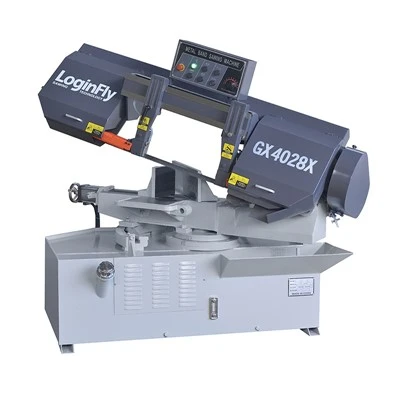
If you’re a shop manager or operator dealing with noise that’s driving people crazy or risking fines, you don’t have to guess what works. I’ve been in this game for years, helping hundreds of shops dial in their band saws for less noise and better cuts (less noise usually means better blade life too, by the way—vibration dulls blades faster, so this is a win-win). If you want to chat about your specific setup, what kind of metal you’re cutting, how loud your saw is now, just reach out. No sales pitch, no pressure, just real advice from someone who’s in the trenches with this every day. Don’t let that noisy saw make your job harder—let’s fix it.
Vertical Band Saw Series References
- Occupational Safety and Health Administration (OSHA). Noise Control in Manufacturing. U.S. Department of Labor, 2022.
- American National Standards Institute (ANSI). Sound Control Practices for Machinery. ANSI B11.19-2019, 2019.
- Metal Cutting Institute. Noise Reduction Strategies for Band Saw Operation. MCI Technical Bulletin 412, 2021.
- Society of Manufacturing Engineers (SME). Vibration and Noise in Metal Cutting Processes. SME Handbook of Machining, 2020.
- International Organization for Standardization (ISO). Acoustics – Noise Emitted by Machine Tools. ISO 11202:2010, 2010.
Shanghai Loginfly Sawing Technology Co., Ltd.
As one of the most professional metal cutting band saw manufacturers and suppliers in China, our products have good reputation in the market. We warmly welcome you to wholesale premium metal cutting band saw from our factory. If you have any enquiry about cooperation, please feel free to email us.
Address: Room 506 NO.655 Yinxiang Road,Nanxiangtown,Jiading District, Shanghai.China
E-mail: sales01@loginfly.com
WebSite: https://www.loginflysaws.com/
