Hey there! I’m a supplier of butt – welded pipe fittings, and today I wanna talk about the temperature range for the normal operation of these pipe fittings. Butt-welded Pipe Fittings
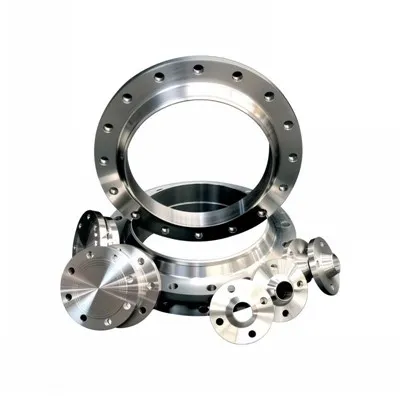
First off, let’s understand what butt – welded pipe fittings are. They’re used to connect pipes in a variety of systems, like in plumbing, oil and gas, and industrial applications. They’re joined to the pipes by welding the ends together, creating a strong and leak – proof connection.
Now, the temperature range for the normal operation of butt – welded pipe fittings can vary a lot depending on the material they’re made of and the specific application.
Stainless Steel Butt – Welded Pipe Fittings
Stainless steel is one of the most popular materials for butt – welded pipe fittings. It’s corrosion – resistant, strong, and can handle a wide range of temperatures.
For austenitic stainless steels like 304 and 316, they can operate in a temperature range from about -200°C to 800°C. At really low temperatures, these steels maintain their toughness, which is super important in cryogenic applications. For example, in the liquefied natural gas (LNG) industry, where the gas needs to be stored and transported at extremely low temperatures, 304 and 316 stainless steel butt – welded pipe fittings are commonly used.
On the high – end of the temperature scale, up to 800°C, they can still hold up well. But as the temperature gets closer to 800°C, there can be some changes in the material properties. The strength of the steel may start to decrease a bit, and there’s a risk of oxidation. So, in applications where the temperature is consistently close to 800°C, we might need to take some extra measures, like using special coatings to protect the fittings.
Carbon Steel Butt – Welded Pipe Fittings
Carbon steel is another common material for these pipe fittings. It’s strong and relatively inexpensive, but its temperature range is a bit more limited compared to stainless steel.
Carbon steel butt – welded pipe fittings usually operate in a temperature range from about -20°C to 450°C. At low temperatures, carbon steel can become brittle, which is a big no – no. If it’s used in an environment where the temperature drops below -20°C without proper precautions, there’s a high risk of the pipe fittings cracking.
On the high – temperature side, as the temperature approaches 450°C, the strength of carbon steel starts to decline. The steel may also start to oxidize more rapidly, which can weaken the structure of the pipe fittings over time. So, in applications where higher temperatures are involved, we might need to consider other materials or use heat – resistant coatings on the carbon steel fittings.
Alloy Steel Butt – Welded Pipe Fittings
Alloy steel pipe fittings are designed to handle more extreme conditions compared to carbon and some stainless steels. They can operate in a much wider temperature range.
Some alloy steels can work from -50°C to 650°C. These alloying elements give the steel better heat resistance, corrosion resistance, and strength at both low and high temperatures. For instance, in power plants where there are high – temperature steam pipes, alloy steel butt – welded pipe fittings are often used. They can withstand the high pressures and temperatures associated with the steam production process.
Influence of Temperature on Pipe Fitting Performance
Temperature has a huge impact on the performance of butt – welded pipe fittings. At low temperatures, as I mentioned earlier, materials can become brittle. This brittleness can lead to cracks, especially if there’s any stress on the pipe fittings. For example, if there’s a sudden change in pressure or if there’s some vibration in the system, the brittle pipe fittings are more likely to fail.
On the other hand, at high temperatures, the material may expand. If the system isn’t designed to accommodate this expansion, it can cause stress on the pipe fittings and the pipes themselves. This stress can lead to leaks, warping, or even complete failure of the connection.
Also, high temperatures can cause chemical reactions on the surface of the pipe fittings. Oxidation is a common one, which can eat away at the material over time. And if there are any corrosive substances in the fluid flowing through the pipes, high temperatures can accelerate the corrosion process.
Importance of Knowing the Temperature Range
As a supplier, I can’t stress enough how important it is for my customers to know the temperature range for the normal operation of the butt – welded pipe fittings they use. Using the wrong type of pipe fittings for a particular temperature environment can lead to all sorts of problems.
If the temperature is too high for the material, the pipe fittings may start to fail prematurely, which can result in costly repairs and downtime for the system. In some industries, like oil and gas, a pipe failure can even pose a safety risk to workers.
On the other hand, if the temperature is too low for the material, the brittleness can cause sudden failures, and it can be really difficult to predict when these failures will happen.
How We Help Our Customers
At our company, we always work closely with our customers to make sure they get the right butt – welded pipe fittings for their specific applications. When a customer comes to us, we ask them about the temperature range of their system, the type of fluid that will be flowing through the pipes, and the pressure requirements.
Based on this information, we can recommend the most suitable material and type of pipe fittings. If the customer’s application has a very specific temperature range, we can also offer custom – made pipe fittings to meet their exact needs.
We also provide technical support and advice on how to install and maintain the pipe fittings to ensure they operate within the normal temperature range and have a long service life.
Wrapping Up
So, the temperature range for the normal operation of butt – welded pipe fittings depends on the material. Stainless steel can handle a wide range from -200°C to 800°C, carbon steel works from -20°C to 450°C, and alloy steel can operate from -50°C to 650°C.
Knowing the right temperature range is crucial for the proper functioning and safety of your piping system. If you’re in the market for butt – welded pipe fittings, or if you have any questions about the temperature requirements for your application, don’t hesitate to reach out. We’re here to help you find the best solutions for your needs. Let’s have a chat and see how we can work together to make your piping system run smoothly.
Din Flange References
- ASME Boiler and Pressure Vessel Code
- Pipe Fittings Handbook by Bernard J. Graver
- ASTM Standards for Steel Pipe Fittings
Shanxi Xinshunda Flange Manufacturing Co., Ltd.
As one of the most professional butt-welded pipe fittings manufacturers and suppliers in China, we also support customized service with competitive price. We warmly welcome you to wholesale high quality butt-welded pipe fittings for sale here from our factory. For quotation, contact us now.
Address: Zhunagli Industrial Zone,jinchang Town,dingxiang,shanxi,china
E-mail: sales01@xinflange.com
WebSite: https://www.xinflange.com/
