Let’s cut to the chase—if you’ve ever glanced in the mirror and noticed those little lines curving from your nose to the corners of your mouth, you’ve probably wondered the same thing: when’s the right time to do something about nasolabial folds? I’ve worked with people in this space for years, so I’ve heard every question under the sun, from 20-somethings panicking over their first tiny line to 50-somethings thinking they “missed the window.” Today, let’s get real about this—no clickbait, no overpromising, just the facts mixed with what actually works for real people. Nasolabial Fold
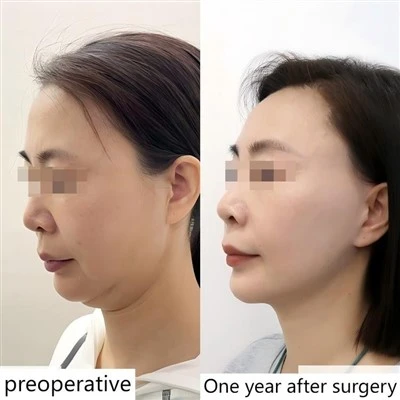
First, let’s break down what nasolabial folds even are, because a lot of folks mix them up with other wrinkles. They’re the natural lines that run from the base of your nose to the edge of your mouth—everyone has them, right? Some are super subtle, others a little more defined. They start forming for a bunch of reasons: genetics (thanks, family, for that), skin losing elasticity as you age, sun damage (the big bad wolf we all ignore until it’s too late), even the way we make faces—laugh lines, smile lines, whatever you want to call them. The key here is that there’s no “one size fits all” age, but there are patterns, and that’s what we’re here to talk about.
Let’s start with the earliest group I see: people in their late 20s to early 30s. Wait, you’re probably thinking, “Late 20s? That’s way too young!” But hold up—this isn’t about people with deep, heavy folds. I’ve worked with tons of people in this age group who notice their nasolabial folds get way more noticeable when they’re stressed, or after a long night, or even when they smile big for a photo. Why does that happen? At this age, your skin still has a good amount of collagen, but if you’re skipping sunscreen, or smoking, or drinking way too much coffee and alcohol (no judgment, I’ve been there), collagen starts breaking down faster than your body can make it. Those little lines pop up as a “pre-warning” before they get deeper. A lot of people in their 20s think they need Botox or fillers, but honestly—for most of them, the best move here is proactive care, not invasive treatments. I’ve seen clients in this range use gentle, science-backed products (hey, that’s where we come in) that boost collagen and plump the skin just enough to keep those lines from getting worse. The big mistake here is waiting until those lines are super deep to do anything—because by then, you’ll need more work to reverse the damage.
Next up: people in their mid-30s to early 40s. This is when collagen production really starts to slow down—like, it drops about 1% every year after you turn 20, but by your mid-30s, that drop becomes more noticeable. Those little lines from your 20s aren’t just temporary anymore; they’re starting to stay there even when your face is at rest. You might notice that your nasolabial folds look deeper when you’re tired, or that your cheek area is starting to sag a little, which makes the lines look even worse. This is such a common time to start taking action, and it’s actually a great window. Why? Because the folds aren’t set in stone yet—your skin still has enough elasticity to bounce back, and non-invasive treatments (or even carefully calibrated fillers) can make a huge difference without looking “done.” I had a client a few years ago who was 38, she came in because her lines made her look “more tired” than she felt. We worked on a gentle plumping treatment that didn’t overdo it, and six months later, she said people were asking if she’d gotten more sleep, not if she’d had work done. That’s the sweet spot, right? The goal here is to maintain, not over-correct. A lot of people at this age get nervous about starting treatments, but waiting another 10 years makes the process way more involved.
Now, let’s talk about the 50s and up crowd. This is when nasolabial folds tend to be more pronounced because of two big things: significant collagen loss, and volume loss in the cheeks. As we get older, fat pads in our face start to shift and drop, so the skin that was sitting plump on the cheeks slides down, which makes those nasolabial folds look deeper and longer. I see a lot of people here who think nothing can help, but that’s not true. It just means the approach is a little different—you might need a combination of treatments to restore that cheek volume and smooth the lines, instead of just plumping the area itself. The key here is being realistic. You’re not going to erase every line, which is fine—those lines are part of your story. But they can be softened so you feel more like yourself, not like you’re wearing a mask. I’ve had clients in their 60s and 70s who are so happy with the results because we focused on subtlety, not perfection. The mistake here would be thinking “it’s too late” and doing nothing, or going overboard with treatments to try to get back to 20-something skin. That just leads to that overdone look no one wants.
Wait, but let’s address the elephant in the room: is there a “too early” age? I’ve had clients as young as 22 come in asking for fillers for their nasolabial folds, and honestly, most of them don’t need it. For 9 times out of 10, a 22-year-old’s lines are just from temporary factors—dehydration, lack of sleep, even the way their face is structured. Jumping into fillers at 22 can lead to issues later, like over-plumping or the lines looking unnatural when the face moves. The rule of thumb here is: if your lines are only visible when you smile or make a big face, hold off on invasive stuff. If they’re there even when your face is relaxed, and they’re bothering you, that’s a sign to start with proactive care, not fillers.
Also, let’s not sleep on lifestyle factors that affect nasolabial folds. No amount of fancy products or treatments will help if you’re not protecting your skin. Sunscreen is non-negotiable—sun damage is the number one cause of premature collagen loss, which makes lines way worse. I tell every client, no matter their age, to wear SPF 30 every single day, even if it’s cloudy, even if they’re just running errands. Staying hydrated, eating foods rich in vitamin C and collagen-boosting nutrients (like berries, leafy greens, and nuts), and not smoking all play a huge role in how your nasolabial folds look.
Now, let’s circle back to what I actually do here, because I’m not just here to give skin advice—I’m here to help people find the right products for their needs. A lot of people don’t realize that not all nasolabial fold solutions are the same. For someone in their 20s, a lightweight, collagen-boosting serum might be perfect. For someone in their 40s, a gentle plumping cream that stimulates the skin’s natural elastin could be the way to go. For someone in their 50s, a targeted treatment that adds just a little volume without being heavy works best. The best part is, you don’t have to go under the knife or get invasive procedures to treat nasolabial folds—there are so many science-backed, at-home options that work, when you pick the right ones for your age and your skin.
I’ve seen clients of all ages get results, but the biggest takeaway I can give you is this: the “best age” to start is whenever you notice the lines bothering you, and you’re ready to do something about it—no timeline, no pressure. Waiting until you’re 60 isn’t better, waiting until you’re 25 isn’t worse. It’s about meeting your skin where it is, and taking steps that make you feel like the best version of yourself. If you’re in your late 20s and your lines are starting to bug you, don’t wait until they’re deep and permanent. If you’re in your 50s and you think it’s too late, think again—small, consistent steps make a huge difference.
At the end of the day, nasolabial folds are a natural part of aging, and they don’t make you less beautiful. But if they’re something that lowers your confidence, there’s absolutely no shame in wanting to soften them. We’ve worked with thousands of people across all age groups to find solutions that fit their needs, their budget, and their comfort level. Whether you’re just starting to notice subtle lines or you’re ready for more targeted care, we can help you figure out what’s right for your skin.
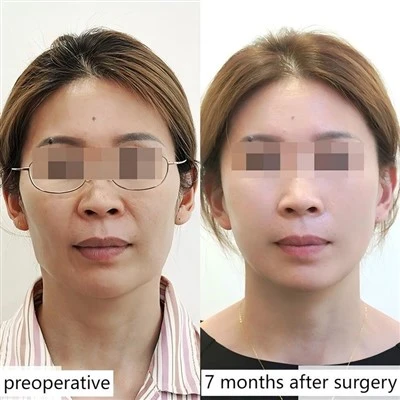
If you’re ready to chat about your specific needs, we’re here to connect and talk through your options—no sales pressure, just honest advice. Reach out to us, and let’s work together to make you feel like the best you, lines and all.
Facelift References:
- American Academy of Dermatology. (2022). Skin Aging: What to Expect and How to Care for Your Skin.
- Kim, J. et al. (2019). Age-related changes in nasolabial folds: A cross-sectional study of skin structure and volume. Journal of Cosmetic Dermatology.
- Mayo Clinic. (2021). Collagen: What It Is, How It Works, and How to Boost Production.
- Lainesse, A. et al. (2020). Non-invasive approaches for nasolabial fold correction: A systematic review. Dermatologic Surgery.
- National Skin Care Institute. (2023). The Impact of Sun Damage on Facial Wrinkles and Elasticity.
Yuan Qiang
With over 20 years’ experience, Dr. Yuan Qiang is a professional doctor specializes in comprehensive treatment for nasolabial fold. If you have any enquiry about nasolabial fold, please feel free to email us. Good service and reasonable price are available.
Address: 602, South Zone, 5th Floor, Building 122, Nanhu Dongyuan, Chaoyang District, Beijing
E-mail: 496864416@qq.com
WebSite: https://www.yuanqiang-doctor.com/
