Hey there! I’m a supplier of drive motors, and I’ve been in this game for quite a while. One question I get asked a lot is how does a motor controller regulate the operation of a drive motor? Well, let’s dive right in and break it down. Drive Motor
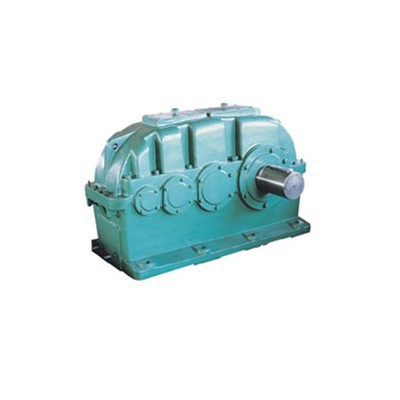
First off, let’s understand what a drive motor is and what a motor controller does. A drive motor is basically the heart of a system that makes things move. It can be used in all sorts of applications, from small appliances in our homes to big industrial machinery. And the motor controller? It’s like the brain that tells the motor what to do, when to do it, and how fast.
Basics of a Motor Controller
A motor controller has a bunch of components that work together to regulate the motor. The main job of it is to control the electrical power that goes to the motor. You see, the motor runs on electricity, and by changing the amount and type of electricity, we can control its speed, direction, and torque.
One of the key parts of a motor controller is the power electronics. These are like the gatekeepers of the electrical power. They can switch the power on and off really fast, and can also change the voltage and current that goes to the motor. This is super important because different applications need different levels of power. For example, a drill might need a lot of torque at a low speed to start boring into a hard surface, while a fan just needs enough power to keep spinning at a steady rate.
Controlling Speed
Speed control is one of the most common things we want to do with a drive motor. And the motor controller makes this happen. There are a few ways it can do this.
One way is by using something called Pulse Width Modulation (PWM). In simple terms, PWM is like quickly turning the power on and off at different rates. When the power is on for a longer time in each cycle, the motor gets more power and spins faster. When it’s on for a shorter time, the motor gets less power and slows down. It’s like giving the motor little bursts of energy, and by adjusting the length of these bursts, we can control how fast it goes.
Another way to control speed is by changing the frequency of the electrical power. This is especially useful for AC motors. You see, AC motors are designed to run at a certain speed based on the frequency of the power supply. By using a frequency converter in the motor controller, we can change the frequency of the power going to the motor. So, if we increase the frequency, the motor will spin faster, and if we decrease it, the motor will slow down.
Direction Control
Controlling the direction of the motor is also important in many applications. For DC motors, this is pretty straightforward. A DC motor has two connections for the power supply. By reversing the polarity of the power (that is, swapping the positive and negative connections), the motor will spin in the opposite direction. The motor controller can do this by using a circuit called an H-bridge. An H-bridge is like a set of switches that can change the way the power flows to the motor, allowing us to reverse its direction easily.
For AC motors, changing the direction is a bit more complicated. But modern motor controllers can still do it. They use advanced algorithms and power electronics to change the way the magnetic field in the motor is created. By adjusting the magnetic field, the motor can be made to spin in either direction.
Torque Control
Torque is the force that makes the motor turn. And sometimes, we need to control how much torque the motor produces. This is where the motor controller really shines.
To control torque, the motor controller measures the current going to the motor. You see, the current is directly related to the torque in a motor. If we want more torque, the controller can increase the current going to the motor. But it has to be careful not to overdo it, because too much current can damage the motor.
The controller also takes into account the load on the motor. If the motor is trying to move a heavy object, it needs more torque. The controller can sense the increased load and adjust the current and power accordingly. It’s like a smart assistant that knows just how much power to give the motor to get the job done.
Feedback Systems
Now, all these control functions are made even better with the use of feedback systems. A feedback system is like a way for the motor controller to know what’s actually happening with the motor.
There are different types of feedback sensors. For example, an encoder can be used to measure the speed and position of the motor shaft. It sends this information back to the motor controller. The controller can then compare the actual speed and position with the desired values. If there’s a difference, the controller can make adjustments to the power going to the motor to bring it back on track.
This kind of closed-loop control makes the motor operation much more accurate and reliable. It means that the motor can respond to changes in the load or other conditions quickly and smoothly.
Why It Matters for You
As a drive motor supplier, I know that having a good motor controller is crucial for the performance of the motor. Whether you’re using the motor in a small consumer product or a large industrial machine, the right motor controller can make a huge difference.
A well – regulated motor can save energy. By controlling the speed and torque precisely, the motor doesn’t waste power by running at full tilt when it doesn’t need to. This can lead to significant cost savings over time, especially in applications that run for long hours.
It also improves the reliability of the system. When the motor is operating within its designed parameters, it’s less likely to break down. This means less downtime for your equipment and lower maintenance costs.
Let’s Talk
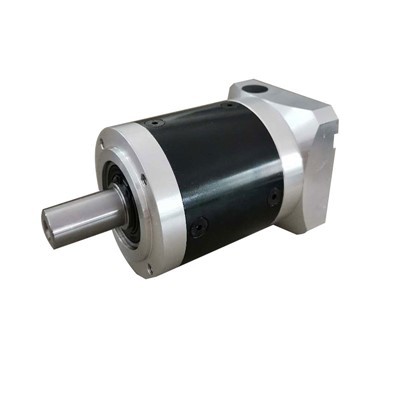
So, if you’re in the market for a drive motor or you’re looking to improve the performance of your existing motor system, I’d love to have a chat with you. I can help you choose the right motor and motor controller combination for your specific needs. Whether you need a simple speed control or a more complex torque and position control, we’ve got you covered.
Brushless Motor Get in touch with me, and let’s start a conversation about how we can make your motor system work better. I’m here to answer all your questions and find the best solution for you.
References
- Chapman, S. J. (2004). Electric Machinery Fundamentals. McGraw – Hill.
- Kirtley, J. L. (2001). Electric Motor Drive Systems. Wiley – Interscience.
- Nasar, S. A., & Boldea, I. (1996). Electric Machines and Drives: A Computer – Aid Approach. CRC Press.
Zibo Auric Mechanical and Electrical Technology Co., Ltd.
Address: B419, High-tech Entrepreneurship Park, High-tech Zone, Zibo City
E-mail: cui@auricmotor.com
WebSite: https://www.auricmotor.com/
