In the dynamic world of hydraulic systems, the choice between metric and imperial hydraulic plugs can significantly impact performance, efficiency, and compatibility. As a seasoned supplier of hydraulic plugs, I’ve witnessed firsthand the crucial role these seemingly small components play in the seamless operation of hydraulic machinery. In this blog post, I’ll delve into the key differences between metric and imperial hydraulic plugs, providing you with the knowledge needed to make informed decisions for your hydraulic applications. Hydraulic Plug
Understanding the Basics: Metric vs. Imperial Systems
Before we dive into the specifics of hydraulic plugs, it’s essential to understand the fundamental differences between the metric and imperial measurement systems. The metric system, also known as the International System of Units (SI), is a decimal-based system used universally in most countries around the world. It is characterized by its use of units such as millimeters (mm), centimeters (cm), and meters (m) for length, and kilograms (kg) for mass.
On the other hand, the imperial system is a traditional system of measurement primarily used in the United States and a few other countries. It relies on units such as inches (in), feet (ft), and yards (yd) for length, and pounds (lb) for mass. The imperial system is known for its non-decimal relationships between units, which can make conversions more complex compared to the metric system.
Thread Size and Pitch
One of the most significant differences between metric and imperial hydraulic plugs lies in their thread size and pitch. Thread size refers to the diameter of the thread, while pitch refers to the distance between adjacent threads. These parameters are crucial for ensuring a proper fit and seal between the plug and the hydraulic port.
Metric Hydraulic Plugs
Metric hydraulic plugs are characterized by their fine threads, which have a smaller pitch compared to imperial threads. Common metric thread sizes include M6, M8, M10, M12, and M16, among others. The thread pitch for metric hydraulic plugs is typically specified in millimeters, such as 1.0 mm, 1.25 mm, or 1.5 mm.
The use of fine threads in metric hydraulic plugs offers several advantages. Firstly, they provide a more precise and secure fit, reducing the risk of leakage. Secondly, fine threads are less prone to damage or stripping, ensuring a longer service life. Finally, the metric system’s standardized sizing makes it easier to find compatible components, even when sourcing from different manufacturers.
Imperial Hydraulic Plugs
Imperial hydraulic plugs, on the other hand, have coarser threads with a larger pitch. Common imperial thread sizes include 1/8", 1/4", 3/8", 1/2", and 3/4", among others. The thread pitch for imperial hydraulic plugs is specified in threads per inch (TPI), such as 27 TPI, 18 TPI, or 14 TPI.
The coarser threads of imperial hydraulic plugs are designed to provide a stronger grip and higher torque capacity, making them suitable for applications where high pressure and frequent disassembly are required. However, the non-standardized nature of the imperial system can make it more challenging to find compatible components, especially when dealing with international suppliers.
Plug Design and Construction
Another important difference between metric and imperial hydraulic plugs lies in their design and construction. While both types of plugs serve the same basic function of sealing hydraulic ports, they may have different shapes, materials, and features to accommodate the specific requirements of their respective measurement systems.
Metric Hydraulic Plugs
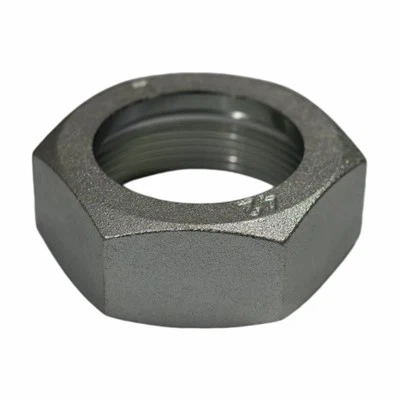
Metric hydraulic plugs are typically designed with a hexagonal head, which allows for easy installation and removal using a standard wrench. They are often made from high-quality materials such as steel, brass, or stainless steel, depending on the application’s requirements. Some metric hydraulic plugs may also feature a sealing washer or O-ring to ensure a leak-free seal.
In addition to the standard hexagonal head design, metric hydraulic plugs may also be available in other configurations, such as square head, round head, or with a knurled surface for easy hand tightening. These alternative designs can provide greater flexibility and convenience in certain applications.
Imperial Hydraulic Plugs
Imperial hydraulic plugs also commonly feature a hexagonal head for easy installation and removal. However, they may be available in a wider range of materials and finishes, including zinc-plated steel, chrome-plated brass, or anodized aluminum, to provide additional corrosion resistance and durability.
Like metric hydraulic plugs, imperial hydraulic plugs may also include a sealing washer or O-ring to prevent leakage. In some cases, they may feature a tapered thread design, which provides a more secure seal by wedging the plug into the port.
Compatibility and Interchangeability
One of the most significant challenges when working with hydraulic systems is ensuring compatibility and interchangeability between different components. This is particularly true when it comes to metric and imperial hydraulic plugs, as the differences in thread size, pitch, and design can make it difficult to use them interchangeably.
In general, metric and imperial hydraulic plugs are not directly interchangeable. Attempting to use a metric plug in an imperial port or vice versa can result in a poor fit, leakage, or damage to the port. Therefore, it is essential to ensure that the plug you select is compatible with the hydraulic system’s measurement system and port specifications.
However, in some cases, it may be possible to use an adapter or conversion fitting to make a metric plug compatible with an imperial port or vice versa. These adapters are available in a variety of sizes and configurations, and they can provide a convenient solution for situations where the original plug is no longer available or when working with a mix of metric and imperial components.
Choosing the Right Hydraulic Plug for Your Application
When selecting a hydraulic plug for your application, it’s important to consider several factors to ensure that you choose the right one for the job. Here are some key considerations to keep in mind:
- Measurement System: Determine whether your hydraulic system uses the metric or imperial measurement system. This will help you narrow down your options and ensure that the plug you select is compatible with the system’s ports.
- Thread Size and Pitch: Check the thread size and pitch of the hydraulic port to ensure that the plug you choose has the same specifications. Using a plug with the wrong thread size or pitch can result in a poor fit and leakage.
- Pressure Rating: Consider the operating pressure of your hydraulic system and choose a plug with a pressure rating that exceeds the system’s maximum pressure. This will help ensure that the plug can withstand the pressure without leaking or failing.
- Material and Finish: Select a plug made from a material and finish that is suitable for your application. For example, if your application involves exposure to corrosive substances, you may want to choose a plug made from stainless steel or anodized aluminum.
- Sealing Mechanism: Consider the type of sealing mechanism used by the plug, such as a sealing washer or O-ring. Choose a plug with a reliable sealing mechanism to prevent leakage and ensure a long service life.
Conclusion
In conclusion, understanding the differences between metric and imperial hydraulic plugs is essential for anyone working with hydraulic systems. By considering factors such as thread size and pitch, plug design and construction, compatibility, and application requirements, you can choose the right plug for your hydraulic system and ensure optimal performance and reliability.

As a trusted supplier of hydraulic plugs, we offer a wide range of metric and imperial plugs to meet the diverse needs of our customers. Whether you’re looking for a standard hexagonal head plug or a specialized design, we have the expertise and resources to provide you with the right solution.
Screw Nut If you have any questions or need assistance in selecting the right hydraulic plug for your application, please don’t hesitate to contact us. Our team of experienced professionals is dedicated to providing you with the highest level of service and support, and we look forward to helping you find the perfect plug for your hydraulic system.
References
- "Hydraulic Fittings and Adapters Guide," Parker Hannifin Corporation.
- "Metric and Imperial Measurement Systems Explained," Engineering ToolBox.
- "Thread Standards for Hydraulic Fittings," ISO 6149.
Yuyao Huiqiang Fluid Connectors Co., Ltd.
As one of the most professional hydraulic plug manufacturers and suppliers in China, we also support customized service with low price. Please feel free to wholesale cheap hydraulic plug in stock here from our factory. Welcome to view our website for more information.
Address: No. 102, Wenwei Road, Zhangting Town, Yuyao City, Ningbo City, Zhejiang Province
E-mail: huiqiangliuti@aliyun.com
WebSite: https://www.huiqiangfitting.com/
