Vibration is a common physical phenomenon in various industrial environments, and its impact on hydraulic valve blocks cannot be underestimated. As a hydraulic valve block supplier, I have witnessed firsthand the complex relationship between vibration and the performance of these crucial components. In this blog, I will delve into the multifaceted impact of vibration on hydraulic valve blocks, exploring both the negative and potential positive aspects, and highlighting the importance of addressing vibration issues in hydraulic systems. Hydraulic Valve Block

Negative Impacts of Vibration on Hydraulic Valve Blocks
1. Wear and Tear
One of the most significant negative impacts of vibration on hydraulic valve blocks is the accelerated wear and tear of components. Vibration causes the moving parts within the valve block, such as spools and seals, to experience increased friction and mechanical stress. Over time, this can lead to premature wear of these components, reducing their lifespan and performance. For example, the constant vibration can cause the spool to rub against the valve body, resulting in surface damage and leakage. This not only affects the efficiency of the hydraulic system but also increases the risk of system failure.
2. Loosening of Fasteners
Vibration can also cause the fasteners used to secure the hydraulic valve block to loosen. Bolts and nuts that are initially tightened to the appropriate torque can gradually come loose due to the continuous vibration. This can lead to misalignment of the valve block and its components, which in turn can affect the proper functioning of the hydraulic system. Loose fasteners can also cause noise and vibration to increase, further exacerbating the problem. In extreme cases, loose fasteners can even cause the valve block to detach from the system, leading to a complete system failure.
3. Fatigue Failure
Another serious consequence of vibration is fatigue failure. The cyclic stress caused by vibration can lead to the development of cracks in the valve block material. These cracks can propagate over time, eventually leading to the failure of the valve block. Fatigue failure is particularly dangerous because it can occur suddenly and without warning, resulting in significant downtime and repair costs. The risk of fatigue failure is higher in applications where the hydraulic valve block is subjected to high levels of vibration for extended periods.
4. Noise and Vibration Transmission
Vibration in the hydraulic valve block can also generate noise, which can be a nuisance in industrial environments. The noise can be caused by the movement of the internal components, as well as the interaction between the valve block and the surrounding structures. In addition to being a source of annoyance, excessive noise can also indicate a problem with the hydraulic system. Moreover, vibration can be transmitted through the hydraulic lines and other components, affecting the performance of other parts of the system. This can lead to a domino effect, where the vibration in one part of the system causes problems in other areas.
Positive Impacts of Vibration on Hydraulic Valve Blocks
While vibration generally has negative impacts on hydraulic valve blocks, there are also some potential positive aspects. In certain applications, controlled vibration can be used to improve the performance of the valve block.
1. Improved Flow Characteristics
In some cases, vibration can help to improve the flow characteristics of the hydraulic fluid within the valve block. The vibration can disrupt the boundary layer of the fluid, reducing the resistance to flow and improving the overall efficiency of the system. This can be particularly beneficial in applications where high flow rates are required. For example, in some high-pressure hydraulic systems, controlled vibration can be used to enhance the flow of fluid through the valve block, resulting in improved performance.
2. Self-Cleaning Effect
Vibration can also have a self-cleaning effect on the valve block. The movement caused by the vibration can help to dislodge any debris or contaminants that may have accumulated within the valve block. This can prevent the clogging of the valve ports and ensure the proper functioning of the hydraulic system. In applications where the hydraulic fluid is prone to contamination, such as in construction equipment or mining machinery, the self-cleaning effect of vibration can be particularly valuable.
Mitigating the Negative Impacts of Vibration
As a hydraulic valve block supplier, I understand the importance of mitigating the negative impacts of vibration on these components. Here are some strategies that can be employed to reduce the effects of vibration:
1. Vibration Isolation
One of the most effective ways to reduce the impact of vibration on hydraulic valve blocks is through vibration isolation. This involves using materials or devices that can absorb or dampen the vibration. For example, rubber mounts or isolators can be used to separate the valve block from the surrounding structures, reducing the transmission of vibration. Vibration isolation can also help to reduce noise and improve the overall stability of the hydraulic system.
2. Proper Installation
Proper installation of the hydraulic valve block is crucial to minimize the effects of vibration. This includes ensuring that the valve block is securely mounted and that all fasteners are tightened to the appropriate torque. Additionally, the hydraulic lines should be properly routed and supported to prevent excessive vibration. By following the manufacturer’s installation guidelines, the risk of vibration-related problems can be significantly reduced.
3. Design Considerations
In the design of hydraulic valve blocks, engineers can take into account the potential effects of vibration. This can include using materials with high fatigue resistance, optimizing the shape and structure of the valve block to reduce vibration, and incorporating features such as damping mechanisms. By considering vibration during the design phase, the performance and reliability of the valve block can be improved.
4. Regular Maintenance
Regular maintenance is essential to ensure the proper functioning of hydraulic valve blocks and to detect and address any vibration-related issues. This includes inspecting the valve block for signs of wear, checking the tightness of fasteners, and monitoring the performance of the hydraulic system. By performing regular maintenance, potential problems can be identified and resolved before they lead to more serious issues.
Conclusion
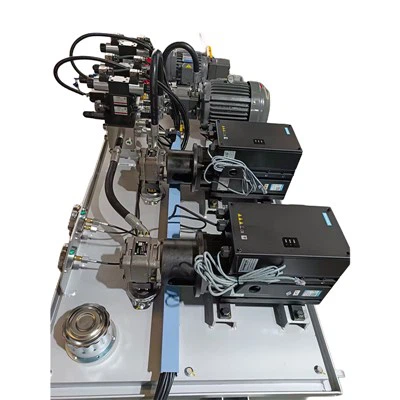
Vibration has a significant impact on hydraulic valve blocks, both positive and negative. While the negative effects of vibration, such as wear and tear, loosening of fasteners, fatigue failure, and noise, can pose serious challenges to the performance and reliability of hydraulic systems, there are also some potential positive aspects, such as improved flow characteristics and self-cleaning. As a hydraulic valve block supplier, I am committed to providing high-quality products and solutions that can effectively mitigate the negative impacts of vibration. By implementing strategies such as vibration isolation, proper installation, design considerations, and regular maintenance, we can ensure that our customers’ hydraulic systems operate smoothly and efficiently.
Compact Hydraulics If you are in need of high-quality hydraulic valve blocks or have any questions about the impact of vibration on these components, please feel free to contact us for a consultation. Our team of experts is ready to assist you in finding the best solutions for your specific needs.
References
- Smith, J. (2018). Hydraulic Systems: Principles and Applications. New York: McGraw-Hill.
- Johnson, R. (2019). Vibration Analysis for Engineers. London: Elsevier.
- Brown, A. (2020). Hydraulic Valve Design and Performance. Boston: Wiley.
Wuhu Zhongye Fluid Equipment Co., Ltd.
We are one of the most experienced hydraulic valve block manufacturers and suppliers in China, specialized in providing high quality customized products. Please feel free to wholesale bulk durable hydraulic valve block in stock here from our factory. Contact us for quotation.
Address: No. 2, Hexing Road, Sanshan District, Wuhu City, Anhui Province
E-mail: zhongyehydro20@163.com
WebSite: https://www.zhongyehydro.com/
