When I first started out as a plastic pallets supplier, I used to get asked the same question at least three times a week from potential clients—new warehouse managers, small business owners expanding their shipping operations, even folks from local manufacturers who’d only ever used wooden pallets before: “Where can I buy plastic pallets?” Plastic Pallets

It’s a fair question, honestly. For decades, plastic pallets were seen as a niche product, something only big-name retailers or Fortune 500 companies could afford. Now? Times have changed. More businesses are ditching wooden pallets for their durability, hygiene standards, and consistent performance. But that shift has left a lot of people feeling overwhelmed—there are dozens of suppliers online, big box stores, even industrial warehouses that claim to sell them, and it’s hard to know where to start without ending up with something that doesn’t fit your needs.
Today, I’m going to break down the most reliable places to source plastic pallets, share what to look for in each option, and even throw in a few insider tips that I’ve picked up after years in this industry. Because let’s be clear—buying a pallet isn’t like grabbing a pack of paper towels. The wrong choice can lead to damaged goods, higher shipping costs, and even compliance issues if you’re in food or pharmaceutical industries.
First up, the most obvious place: specialty plastic pallet suppliers. This is where I work, so I’m biased, but for good reason. A specialized supplier’s whole business is built around plastic pallets, not a side line to their main wooden pallet inventory. That means we know the product inside and out—we don’t just look at a sample, we test it, refine designs, and customize for different use cases.
When I talk to a new customer who’s never worked with a specialty supplier, I always start with a simple question: “What are you using the pallets for?” Because a pallet for a cold-storage warehouse is way different than one for a retail distribution center or a food processing plant. For example, last month a craft brewery reached out to me needing pallets for transporting bottled beer. They’d tried big box store pallets before, but those were warping in the cold walk-ins and cracking when stacked. As a specialty supplier, we were able to offer heavy-duty, food-grade HDPE pallets with reinforced slats that can handle 4,000 pounds of dynamic load (that’s the weight when the pallet’s on a forklift) and resist moisture. We even had them custom-print the brewery’s logo on the edge, which helped them cut down on mislabels during shipping.
Specialty suppliers also have the widest range of options. You can get standard 48×40 GMA pallets that fit most warehouse racking, lightweight pallets for e-commerce small-parcel shipping, flat-top pallets for automated conveyor systems, and even pallets with built-in RFID tags for inventory tracking. Another big plus here is customer support. When a business buys from a specialty supplier, they’re not just a number. I’ll often work directly with a customer to adjust an order—say, if they need 50 extra pallets delivered in three days instead of the usual week because a last-minute shipment is coming in. Most big suppliers can’t do that, because they’re juggling hundreds of other orders.
Of course, specialty suppliers aren’t one-size-fits-all. Some focus entirely on new pallets, some on used, and some on both. I’ll talk more about used pallets later, but if you’re a business that needs pallets consistently, working with a supplier that offers bulk discounts and flexible shipping is a big win.
Next, let’s talk about industrial supply warehouses. Places like Uline, Fastenal, or local industrial material yards. These are the ones you might drive past on the way to work, and they stock plastic pallets alongside shrink wrap, forklift parts, and other warehouse supplies. For small orders, like 10 or 20 pallets for a one-off job, these can be convenient. You can grab them same day, no waiting for a bulk shipment, and they’re often cheaper per unit than a specialty supplier for small quantities.
But here’s the catch: the selection is limited. Most industrial warehouses only stock the most common sizes, usually 48×40, and they’re often standard-grade pallets, not heavy-duty or specialized. I’ve seen customers come to me after buying a load from an industrial supply yard, only to find out the pallets can’t handle their racking system. A lot of standard plastic pallets have a static load (that’s the weight when they’re sitting on the ground) of 10,000 pounds, but dynamic load drops to 2,500, which is too weak for many forklift operations. Also, don’t assume they’re food-grade unless the listing says so. Most industrial warehouses sell general-use pallets that aren’t treated to meet FDA standards, so if you’re transporting food, pharmaceuticals, or cosmetics, these won’t work for you.
Another downside: returns are almost impossible. If you order 20 pallets and 3 are cracked on arrival, the industrial warehouse might charge a restocking fee or refuse to take them back, because their inventory is built for quick turnover, not handling custom orders. I’ve had a customer a few months back who bought 15 pallets from an industrial warehouse to ship organic produce—they arrived with splinters and chemicals left over from previous uses, and the warehouse wouldn’t take them back. They ended up paying twice as much to order food-grade pallets from me, just to replace the bad ones.
Third, big-box online retailers. Amazon, Walmart, even Home Depot sell plastic pallets these days. This is where a lot of people start, because they’re used to ordering everything online. Convenience is the big draw here—you can order a few pallets at 2 a.m. and have them delivered in two days, no phone calls, no paperwork. It’s perfect for small businesses that only need a handful of pallets, not a weekly bulk shipment.
But again, the caveats are big. First, you can’t inspect the pallet before it arrives. Online listings often don’t show close-up photos of the structure—how many support blocks it has, if it’s reinforced, what grade of plastic it’s made from. A lot of the cheaper pallets on Amazon are made from recycled plastic that’s not food-safe, or they have thin slats that break when you set a 2,000-pound load on them. I’ve heard too many horror stories of small e-commerce business owners who ordered pallets to ship holiday inventory, only to have half the pallets break during transport, ruining thousands of dollars worth of products.
Also, returns are a hassle. If the pallet arrives damaged, or it’s not the size you ordered, you might have to pay return shipping, which for a pallet can be $50 or more—often more than the cost of the pallet itself. Some online sellers don’t even accept returns for pallets, since they’re bulky and categorized as “industrial goods.” Another thing to look out for: price gouging. A standard 48×40 plastic pallet might cost $25 from a specialty supplier, but on Amazon you’ll see listings for $40 or $50, because they’re marking up for convenience and fast shipping. It’s not worth the extra cost for a small order if you’re not sure the pallet will work for your needs.
Now, let’s talk about used plastic pallets, because that’s an option a lot of people overlook, especially for businesses on a tight budget. Used pallets are exactly what they sound like—pallets that have been recycled, cleaned, and inspected for resale. They’re perfect for operations that don’t need new pallets, like temporary shipping jobs, storage units, or businesses that keep pallets indoors with light loads.
Where do you find used pallets? Many specialty suppliers, including my company, sell used pallets at a 30-50% discount compared to new ones. There are also pallet recycling yards in most industrial areas that collect used pallets from warehouses, clean them, and resell them. The benefit here is cost—if you’re just starting out and don’t want to invest in new pallets yet, used ones can save you a lot of money. But here’s what you have to check before buying: first, make sure they’re structurally sound. No cracked slats, no broken support blocks, no warping. Second, ask if they’ve been cleaned. If you’re using them for food or medical products, you don’t want used pallets that were used to transport chemicals, garbage, or other unsanitary goods. Reputable suppliers will have their used pallets pressure-washed and sanitized before resale, but always ask to confirm.
I want to be clear about what used pallets aren’t great for. If you’re using pallets in cold storage, or stacking them 5 high in a warehouse, or transporting heavy loads (over 2,000 pounds), used pallets might not hold up. Even a small crack in a support block can turn into a full break during shipping, which could damage your products. I once worked with a small construction company that bought 50 used pallets from a recycling yard for storing building materials. Half of them broke within a month, and they lost $2,000 worth of lumber that fell through the cracked pallets. So used pallets are a great temporary solution, but not for high-stakes, heavy-use operations.
Now, let’s talk about what actually matters when you’re choosing where to buy, because there’s a lot more to it than just the price. First, know your use case. Let’s break it down:
- If you’re shipping food, pharmaceuticals, or cosmetics: You need food-grade pallets, period. Make sure the supplier can provide documentation that the pallets meet FDA or EU food safety standards.
- If you’re using pallets for racking: Look for pallets rated for at least 5,000 pounds of dynamic load. Standard pallets aren’t built for racking, and they’ll buckle under the weight.
- If you’re shipping internationally: Most countries have strict pallet standards (IPPC heat treatment, for example). Make sure whatever supplier you use can offer compliant pallets, otherwise your shipment will get held up at customs.
- If you’re ordering in bulk: Specialty suppliers almost always offer better bulk pricing than big box stores or industrial yards, because they have direct relationships with plastic manufacturers and don’t have to mark up for middlemen.
Another tip: don’t just go for the cheapest option. I’ve seen businesses choose a $15 pallet over a $25 one, only to end up paying $100 in shipping costs for damaged goods, plus the cost of replacing broken pallets. It’s a false economy. A good pallet will last 5-10 years with proper care, while a cheap one might break in a single use.
Now, a quick word about my own company, since this is a blog from a supplier. When a customer comes to me, I don’t just try to sell them the most expensive pallet. I start by asking them about their operation. If they’re a small startup that only needs 10 pallets for a local job, I’ll point them to the best affordable option, whether that’s a used pallet from our inventory or a standard-grade new pallet that fits their budget. If they’re a manufacturing company that needs 500 pallets a month to ship their products to grocery stores, I’ll work with them to custom-design a heavy-duty pallet that cuts down on their shipping damage and reduces their long-term costs.
We also offer flexible delivery, return options for damaged goods, and free product testing—if you’re not sure which pallet is right for you, we can send a sample to test in your warehouse for a week, no strings attached. That’s the kind of service you don’t get from big box online retailers, and it’s why so many of our customers stick with us for years.
Wait, let’s address a common misconception I hear all the time: “Plastic pallets are too expensive.” It’s true that the upfront cost of a plastic pallet is higher than a wooden one, but the long-term savings are huge. Wooden pallets need to be replaced every 1-2 years, they absorb moisture and chemicals, and they’re a pain to dispose of. A good plastic pallet can last 10+ years, is reusable, and can be recycled at the end of its life. For a business that uses 100 pallets a month, that’s a difference of thousands of dollars a year.
So, to wrap this up, where should you actually buy plastic pallets? Let’s rank the options based on your needs:
- For bulk orders, specialized needs (food-grade, racking, international shipping): Go to a reputable specialty plastic pallet supplier. You get expertise, custom options, customer support, and consistent quality.
- For small, same-day orders: Industrial supply warehouses. Just double-check the pallet’s grade and condition before buying.
- For very small, one-off orders: Big-box online retailers. Just make sure you’re buying from a reputable seller with good return policies.
- For budget-friendly temporary use: Used pallets from a specialty supplier or recycling yard. Just confirm cleanliness and structural integrity.
If you’re still not sure what’s right for your business, don’t make the mistake of guessing. A pallet that doesn’t fit your needs can lead to lost revenue, damaged goods, and extra costs. If you’re ready to discuss your specific requirements, whether you need 10 pallets or 1,000, feel free to reach out to us directly to talk through your needs, ask questions, and get a quote tailored to your operation. We’re here to help you find the right plastic pallets that fit your budget and your workflow.
Before I go, let me leave you with one final tip: when you’re comparing suppliers, ask if they offer a warranty. A good supplier will stand behind their pallets—if a pallet breaks under normal use within a certain time frame, they’ll replace it for free. That’s a sign they value their customers, not just a quick sale. At the end of the day, buying pallets is an investment in your business, and you want to work with someone who’s going to be there when you need them, not just when you’re placing an order.
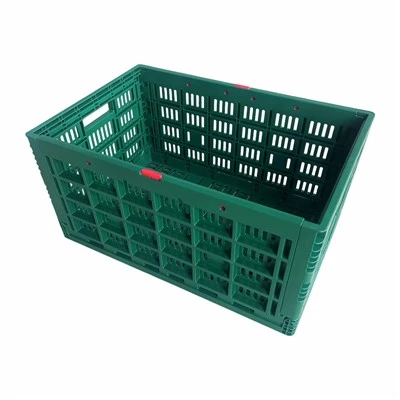
Vented Collapsible Crate References:
- National Wooden Pallet and Container Association. (2022). Plastic Pallet Market Trends and Consumer Guide.
- FDA. (2021). Food-Grade Packaging Materials and Pallet Standards.
- Pallet Central. (2023). Bulk Pallet Sourcing and Cost-Benefit Analysis.
- International Standards Organization. (2022). IPPC Heat Treatment Guidelines for International Pallet Shipments.
Ningbo Simple Trading Co., Ltd.
Ningbo Simple Trading Co., Ltd. is one of the most professional plastic pallets manufacturers and suppliers in China. With a professional production team, we are able to meet the needs of the majority of our customers. Please feel free to wholesale custom made plastic pallets from our factory.
Address: Room 3136, North Building of Yinzhou Chamber of Commerce Building, No.1299, Yinxian Boulevard, Shounan Subdistrict, Yinzhou District, Ningbo City, Zhejiang Province
E-mail: Simpleexport@nbsimpletrading.com
WebSite: https://www.logisticsequipments.com/
