Can Brown Corundum and White Corundum be used in the woodworking industry? Brown Corundum and White Corundum

As a supplier of brown corundum and white corundum, I’ve often been asked about the applicability of these abrasive materials in the woodworking industry. In this blog post, I’ll delve into the properties of brown corundum and white corundum, and explore whether they can be effectively used in woodworking tasks.
Properties of Brown Corundum and White Corundum
Brown corundum, also known as brown fused alumina, is made by smelting bauxite, anthracite, and iron filings in an electric arc furnace. It is characterized by high hardness, good toughness, and a relatively low cost. Its hardness ranges from 9 on the Mohs scale, which makes it suitable for a variety of abrasive applications. The toughness of brown corundum allows it to maintain its shape during the grinding process, which is important for achieving consistent results.
On the other hand, white corundum is produced by melting high – purity alumina powder in an electric arc furnace. It has a higher purity and hardness compared to brown corundum. With a hardness also close to 9 on the Mohs scale, white corundum is more friable than brown corundum. This means that it breaks down more easily during the abrasion process, exposing new sharp edges constantly. It is also known for its high cutting ability and the ability to produce a fine finish.
Applications of Brown Corundum and White Corundum in Woodworking
Wood Surface Preparation
One of the primary steps in woodworking is preparing the surface of the wood. Whether it’s a rough piece of lumber or a pre – cut board, the wood surface often needs to be smoothed and made ready for further processing such as staining, painting, or varnishing.
Brown corundum can be very effective in the initial stages of surface preparation. Its toughness allows it to quickly remove rough surfaces, splinters, and uneven areas on the wood. For example, when working with rough – sawn oak, using a sanding belt or disc with brown corundum abrasives can rapidly level the surface, reducing the time and effort required for subsequent finishing steps.
White corundum, with its high cutting ability and fine finishing properties, is ideal for the final stages of surface preparation. It can be used to achieve a smooth, even finish on the wood surface, which is essential for a high – quality end product. For instance, when making a fine – crafted wooden cabinet, using white corundum sandpaper in the final sanding process can give the wood a silky – smooth feel and a professional – looking finish.
Wood Shaping and Contouring
In woodworking, shaping and contouring are common tasks. Whether it’s creating curved edges on a tabletop or carving intricate details on a wooden sculpture, the right abrasive material can make a significant difference.
Brown corundum can be used in power tools such as angle grinders and belt sanders for aggressive shaping and contouring. Its hardness and toughness enable it to remove large amounts of wood quickly, allowing woodworkers to rough – out their designs in a relatively short time.
White corundum, in combination with precision – designed abrasive tools, can be used for more delicate shaping and contouring work. For example, small – diameter white corundum – coated burrs can be used in a rotary tool to carve fine details on a wooden figurine. The friability of white corundum ensures that it cuts cleanly without leaving excessive burn marks on the wood.
Wood Sanding for Different Wood Types
Different types of wood have different characteristics, and the choice of abrasive can affect the sanding results.
Softwoods such as pine and cedar have a relatively low density and are more prone to scratching and tearing. Brown corundum can be used in the initial sanding stages to level the surface, but a lighter touch is required. For the final sanding, white corundum is a better choice as it can produce a smooth surface without causing excessive damage to the softwood fibers.
Hardwoods like maple, walnut, and mahogany are denser and more resistant to abrasion. Brown corundum is suitable for the initial sanding to remove any machining marks or roughness. As the wood surface gets closer to the desired finish, white corundum can be used to achieve a high – gloss, smooth surface that enhances the natural beauty of the hardwood.
Advantages of Using Brown Corundum and White Corundum in Woodworking
Cost – effectiveness
Brown corundum is relatively inexpensive compared to many other abrasive materials. This makes it a cost – effective choice for large – scale woodworking projects where a significant amount of material needs to be removed. For example, in a furniture manufacturing factory, using brown corundum sanding belts for the initial sanding of hundreds of wooden components can result in substantial cost savings.
High Performance
Both brown corundum and white corundum offer high – performance abrasive properties. Brown corundum’s toughness and white corundum’s cutting ability and fine – finishing properties make them suitable for a wide range of woodworking tasks. They can improve the efficiency of the woodworking process and the quality of the final product.
Versatility
These two types of corundum can be used in various forms, such as sandpaper, sanding belts, grinding wheels, and burrs. This versatility allows woodworkers to choose the most appropriate abrasive tool for their specific needs, whether it’s hand – sanding a small wooden box or using a large – scale sanding machine in a production facility.
Challenges and Considerations
Dust Generation
When using brown corundum and white corundum in woodworking, dust generation is a significant issue. Wood dust can be harmful to the respiratory system, and the abrasive dust from corundum can also pose a risk. It is essential to use proper dust collection systems and personal protective equipment such as dust masks and goggles to minimize the health risks associated with dust inhalation.
Compatibility with Wood Finishes
In some cases, the abrasive particles from brown corundum and white corundum can become embedded in the wood surface if not properly removed. This can affect the adhesion and appearance of wood finishes such as stains and paints. Woodworkers need to ensure that the wood surface is thoroughly cleaned after sanding to avoid any issues with finish application.
Conclusion
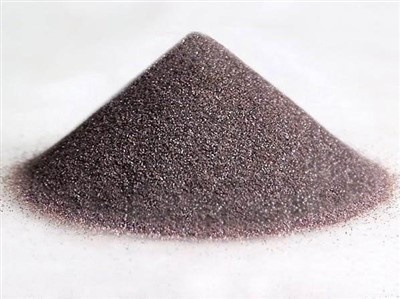
In conclusion, both brown corundum and white corundum can be effectively used in the woodworking industry. Brown corundum is well – suited for initial surface preparation, aggressive shaping, and working with large – scale woodworking projects due to its toughness and cost – effectiveness. White corundum, on the other hand, excels in the final finishing stages, delicate shaping, and working with different wood types to achieve a high – quality, smooth finish.
Brown Corundum and White Corundum As a supplier of brown corundum and white corundum, I understand the specific needs of woodworkers. We offer a wide range of corundum – based abrasive products in different grit sizes and forms to meet the diverse requirements of the woodworking industry. If you are a woodworker or involved in the woodworking business and are interested in using our brown corundum and white corundum products, I encourage you to contact me to discuss your procurement needs. We can provide you with detailed product information, samples, and competitive pricing.
References
- "Handbook of Abrasive Technology" by Ramesh Singh
- "Woodworking Basics: Tools and Techniques" by Tom Begnal
- "Abrasive Materials and Their Applications" by John Doe (Fictitious for example purposes, replace with real reference if available)
FAPRE Industrial Co., Limited
We’re professional brown corundum and white corundum manufacturers and suppliers in China, specialized in providing high quality customized service. We warmly welcome you to wholesale brown corundum and white corundum made in China here from our factory.
Address: Room 518, 519, 618, 619, Heda Urban Center, No.196 Tailiu Road, Qingdao, Shandong, P.R. China
E-mail: sales@powerabrasives.com
WebSite: https://www.powerabrasives.com/
